
Lessons from Sir Thomas More, Martyr and Saint
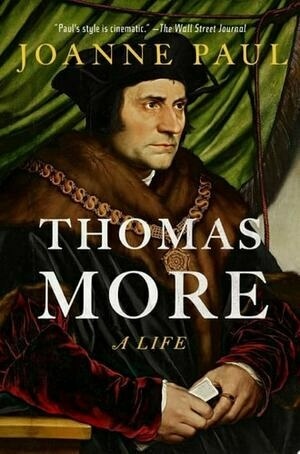
Finished reading: Thomas More by Joanne Paul 📚
Reading Paul’s biography of More over these last few months has been an extended meditation on the state of my life. I began it just before my father passed away in February. Try as I might, I couldn’t get in the regular reading sessions and ended up pausing about halfway through only to come back to it a couple of weeks ago. I made a deliberate effort to get it done.
I nevertheless found solace when reading the passages of death. So many of his friends, family, and loved ones died prematurely throughout his life. He took all their passings with stride, knowing few well that death comes for all of us. The practice of momento mori may not ease the pain of loss when that loss is fresh, but does help contextualize the loss and transform that pain into a reminder that we ought to make the most of what little time we are given.
More was mostly a self-made man. Although his father had a small start in upward mobility, it was More’s sharp mind and even sharper prudence that propelled him to professional heights few of us could only dream of, and he did so at the dawn of the modern age when upward mobility was still quite rare. It is therefore all the more impressive that he was able to stay true to his conscience in the face of overwhelming state coercion. When it was clear to More that King Henry VIII and his goons would contort and corrupt the tools of justice to get what they want, he made a solemn commitment not to partake, even on to death. Death will come anyway, but More reasoned we might as well meet God with a clear conscience.
There’s a huge lesson here. More wasn’t an advocate or agitator in the contemporary sense; he insisted he would not speak ill of the King. He had after all been a faithful servant. Rather than make counter accusations, or attempt a coup or some other kind of civil strife, he instead just made a simple commitment. Be silent. He would not oppose the King publicly, nor would he say why he would not go along either.
In the midst of some professional struggles I see a model worthy of emulation. I don’t mean to equate myself with his martyrdom. I simply mean that there’s a cleared-eyed stoicism in the way More always stuck to his conscience. (A well-formed conscience, I should stress, one steeped in the humanities and in Christendom.) I hope I can always meet that standard should ever I be challenged.